In developed countries, more than 80% of all radical prostatectomies are performed with a robot. At the Department of Urology of F. D. Roosevelt University Hospital in Banská Bystrica, we have performed more than 4,000 robotic radical prostatectomies. Every year we perform more than 50% of all radical prostatectomies in Slovakia.
Robotic-assisted prostatectomy is a surgical procedure used to treat prostate cancer. The prostate is a gland that is part of the male reproductive and urinary system. Prostate cancer is a disease that mainly affects men over the age of 50. If prostate cancer is detected early, it can be successfully removed with a robotic-assisted procedure.
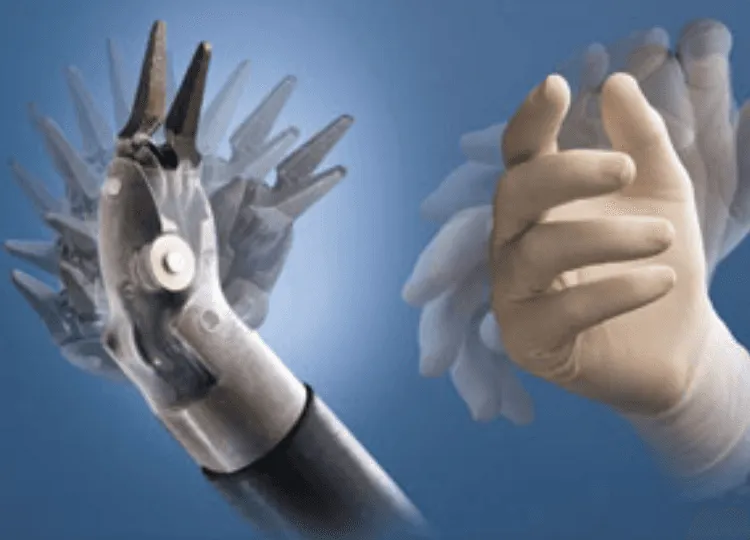
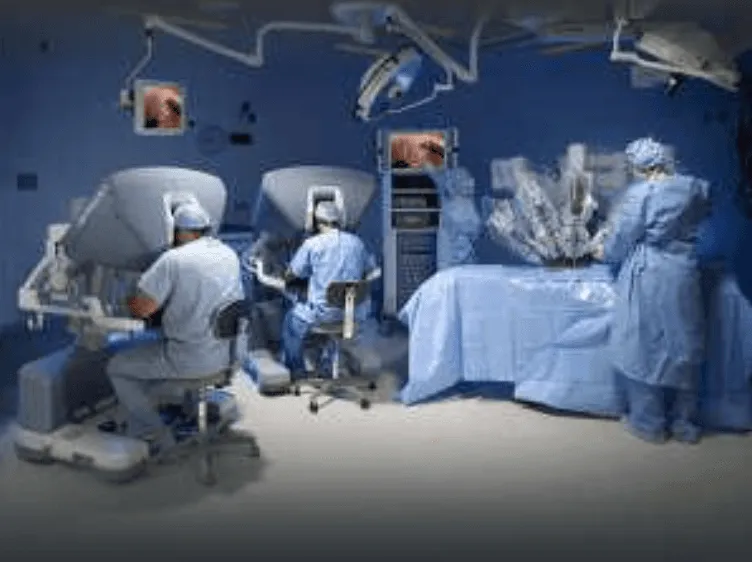
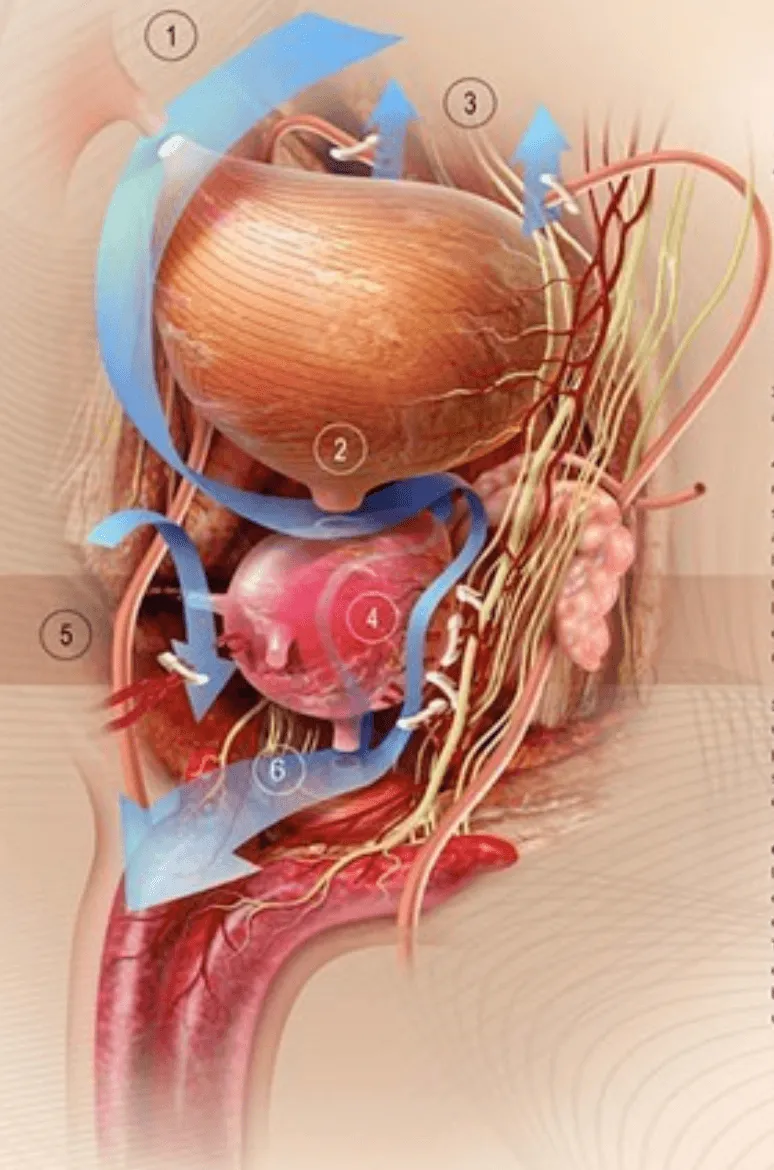
Robotic-assisted prostatectomy is a type of minimally invasive surgery that uses a special robotic system. The system allows the surgeon to handle the surgical instruments and the camera, which are inserted into the patient's abdominal cavity through small incisions, more precisely and more delicately. The surgeon controls the robotic arms from a console that shows a magnified three-dimensional image of the operating field. Robotic technology reduces the risk of damage to the surrounding nerves and blood vessels that are important for urinary and sexual function.
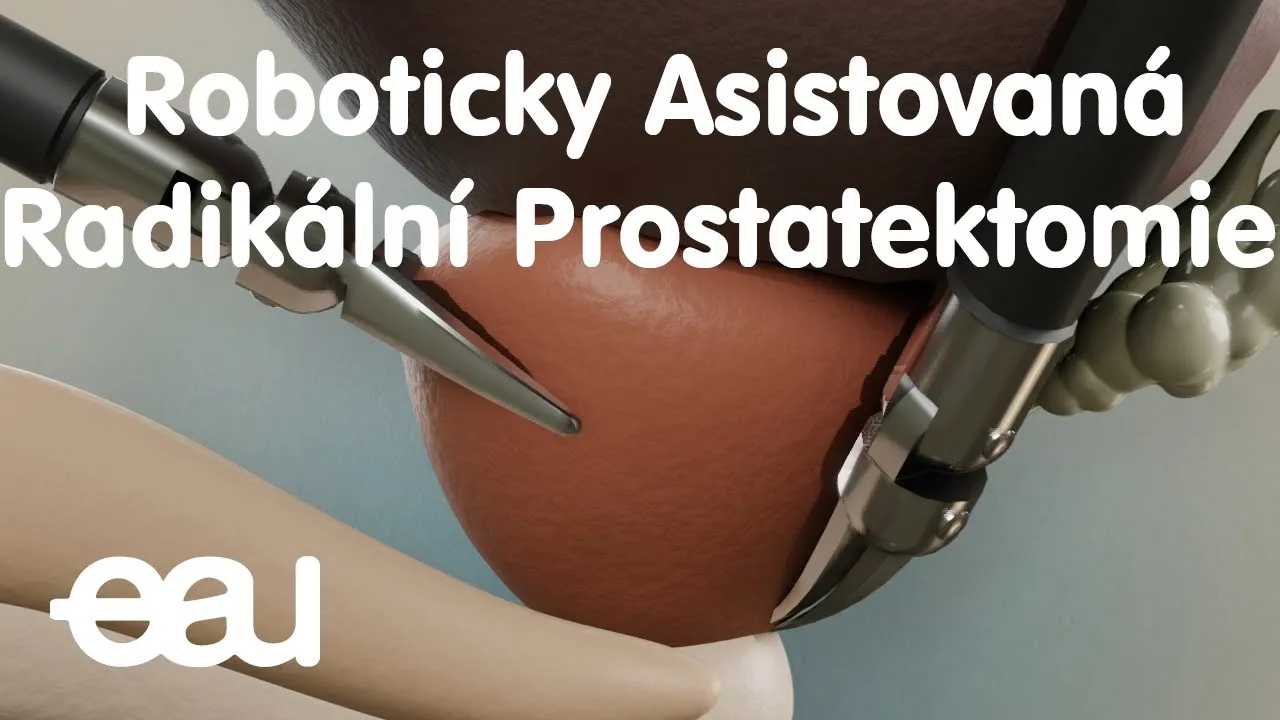
Robotic-assisted prostatectomy has several advantages over conventional open surgery, such as:
- The most advanced surgical technique
- Less blood loss and a lower need for transfusion
- Less pain and a lower need for painkillers, because we use LISA (Low impact surgery)
- A shorter hospital stay and faster recovery
- Smaller scars and a better cosmetic result
- A lower likelihood of complications such as infection, blood clots, incontinence or impotence
The operation is performed under general anaesthesia and at our department takes approximately 2 hours. It is performed through access ports into the abdominal cavity (trocars), through which special instruments are inserted that the surgeon uses to carry out the whole procedure.
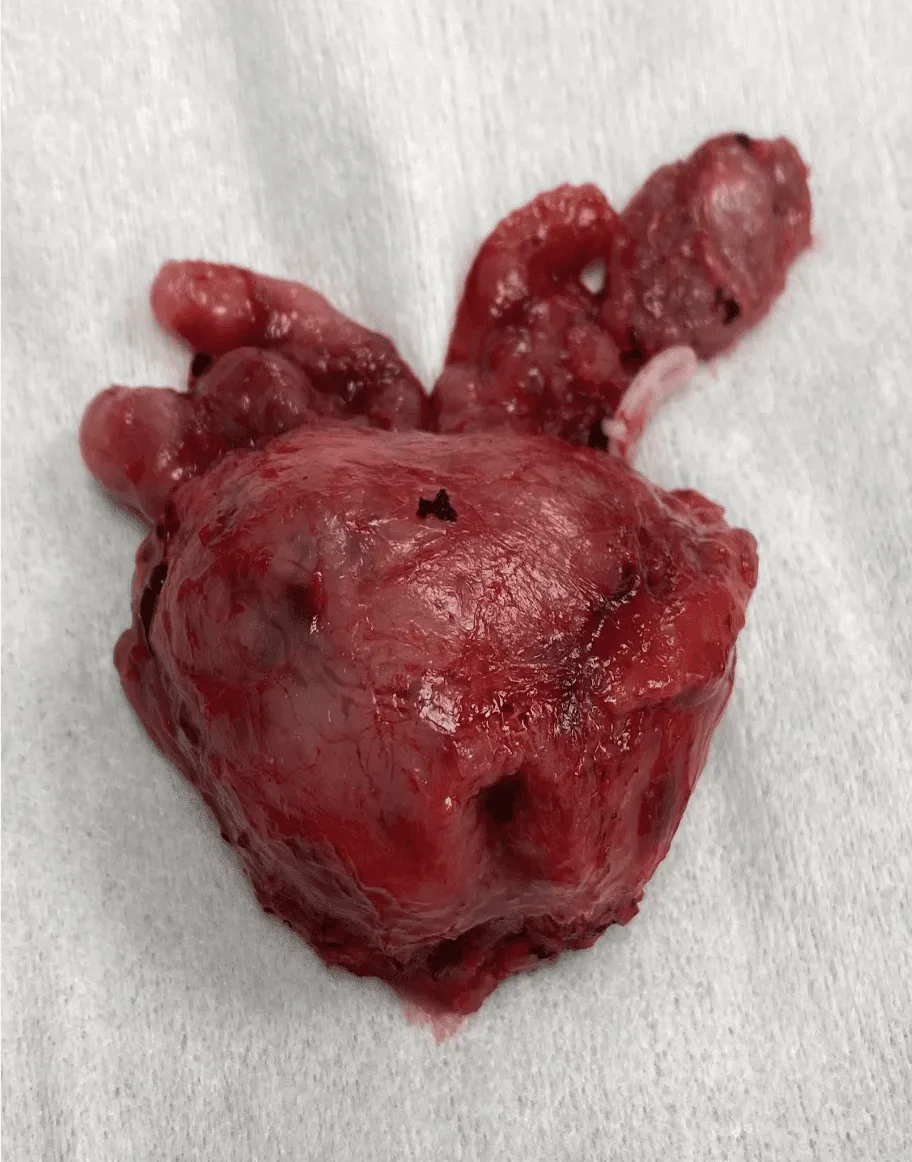
The prostate is removed in a special plastic bag through a small skin incision. The end result is 5 small scars on the abdominal wall.
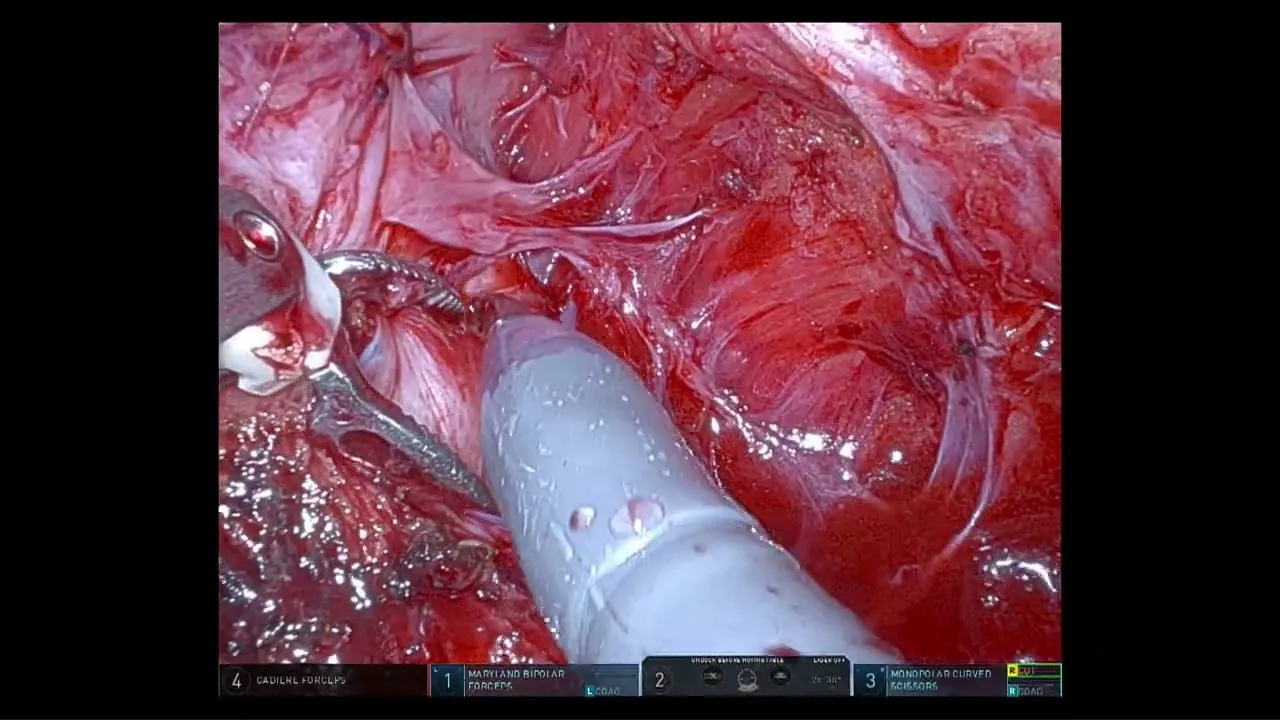
Recording of a real operation:
Robotic-assisted prostatectomy is a demanding and complex procedure that requires an experienced, trained console surgeon and specialised equipment. It is not suitable for every patient and can also have undesirable consequences, such as:
- Possible injury to the bladder, urethra, bowel or other organs
- Possible need for a transfusion or further surgery
- Possible long-term or permanent loss of continence
- Possible change in the quality of erections or complete inability to achieve an erection
- Possible need for subsequent radiotherapy if the cancer has spread beyond the prostate
Before the procedure you need to undergo a thorough examination and a consultation with a urologist, who will assess your diagnosis, health, expectations and treatment options. The urologist will explain the course, risks and benefits of robotic-assisted prostatectomy and answer your questions. You will also be told how to prepare for the procedure, what to expect afterwards and how to look after yourself during recovery.
If you are interested in robotic-assisted prostatectomy, talk to your urologist and find out whether this treatment option for prostate cancer is suitable for you. Robotic-assisted prostatectomy is a modern and effective method that can improve your quality of life and prognosis.

For more information about robotic-assisted prostatectomy, see the following sources:
- robotika.fnspfdr.sk/oddelenia/o-robotickej-chirurgii-v-urologii/operacia-prostaty/
- patients.uroweb.org/cz/videa/roboticky-asistovana-radikalni-prostatektomie/
- eotazky.sk/radikalna-prostatektomia
Gallery