Erectile dysfunction (ED) is the inability to achieve or maintain an erection firm enough for sexual intercourse. This complication can occur after various surgical procedures, especially pelvic operations such as robotic-assisted prostatectomy and rectal or bladder surgery. One of the most common causes of ED after surgery is damage to the nerves and blood vessels that are key to erectile function.
Why does erectile dysfunction occur after surgery?
In pelvic surgery, especially removal of the prostate (prostatectomy), the risk of damaging the nerves that control erection is high. These nerves, known as the neurovascular bundles, are delicate and can be damaged either directly during the operation or as a result of resection of the surrounding tissue. If these nerves are damaged, it can lead to a temporary or even permanent loss of the ability to achieve an erection.
Patient's age: Older patients generally have a higher risk of erectile dysfunction after surgery, because erectile function naturally weakens with age.
- Erectile function before surgery: Patients who already had erection problems before the procedure are more likely to have these problems persist or worsen after the operation.
- Type of surgery: Radical prostatectomies, which involve removal of the whole prostate, carry a greater risk of ED than less invasive procedures. A nerve-sparing technique can significantly reduce the risk of erectile dysfunction.
- Nerve sparing: If the operation can protect the nerves responsible for erection, the chance of recovering erectile function is higher. In operations where both nerve bundles are removed, erectile dysfunction is almost inevitable.
- Physical fitness: Patients who are in better physical condition and have a healthy cardiovascular system often recover faster and have a better chance of regaining erections.
Treatment options for erectile dysfunction after surgery
There are various treatment options that can help patients regain erectile function after surgery. The most common methods include:
- Phosphodiesterase type 5 (PDE5) inhibitors: Medicines such as sildenafil (Viagra), tadalafil (Cialis) and vardenafil (Levitra) are often prescribed to patients to support erections. These medicines increase blood flow to the penis, which helps to achieve an erection.
- Vacuum erection devices: Mechanical devices that create negative pressure around the penis, which promotes blood flow and erection. A ring is then placed at the base of the penis to prevent blood from leaving the erectile tissue.
- Penile injections: Some medicines can be injected directly into the penile tissue, which causes it to dilate and makes it possible to achieve an erection independently of the nervous system.
- Penile implants: For patients in whom other treatments are not successful, implantation of a penile prosthesis may be an option. This method is used in cases of permanent erectile dysfunction and involves a surgical procedure.
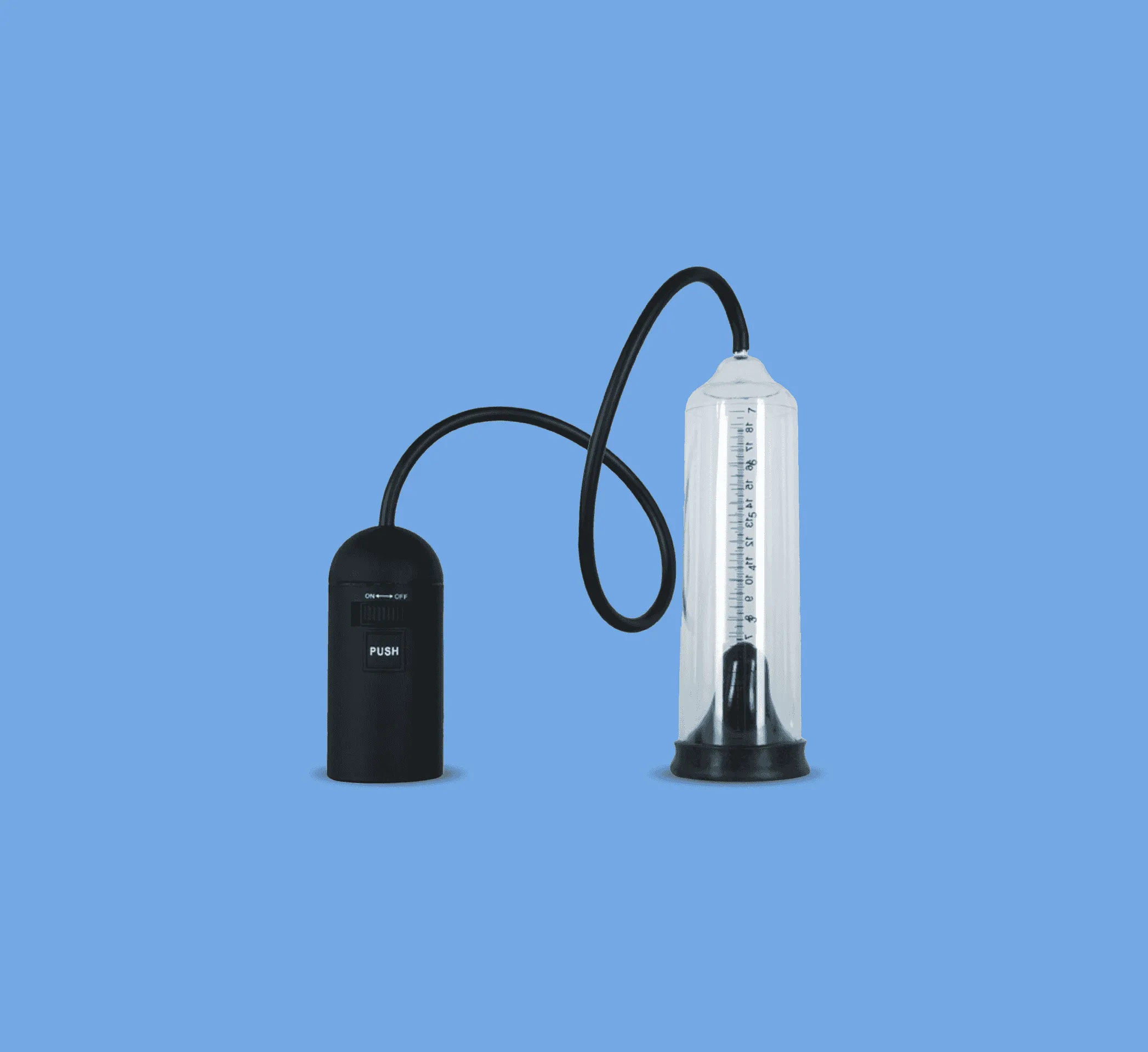
Vacuum pump
A vacuum pump is an effective and safe aid recommended by specialists to support erections in erectile dysfunction. It improves blood flow and can be a suitable solution for men looking for a non-invasive treatment alternative.
Price€75 incl. VAT